
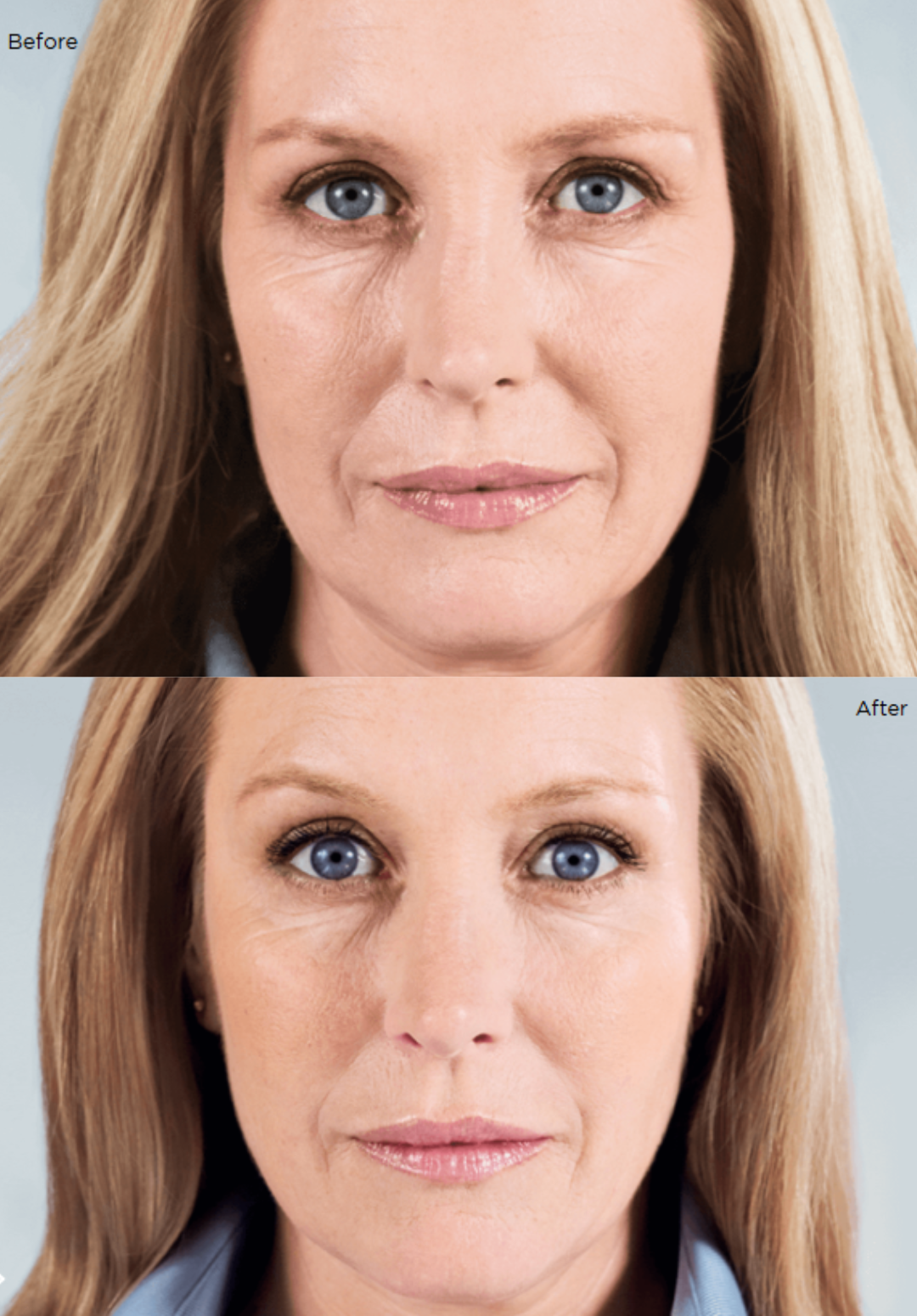
Sculptra in Des Moines: How It Works, Results, and How Long It Lasts
Quick Answer: Sculptra is a collagen-stimulating injectable made with poly-L-lactic acid. Instead of adding instant volume, it prompts your skin to rebuild its own collagen over time. Many patients need about 2 to 3 sessions, and clinical data shows results maintained for up to 24 months. Your injector will set the right plan for your face.
If you’re researching Sculptra in Des Moines, the biggest thing to understand is that it works differently from a traditional filler. Sculptra in West Des Moines and Ankeny doesn’t fill a line or hollow right away. It gives your skin a reason to rebuild its own structural support, which is why results arrive slowly and tend to look natural. This guide covers how the treatment works, what a series looks like, when you’ll see changes, the risks to know about, and who tends to be a good fit.
How Sculptra Works
The active ingredient in Sculptra Aesthetic is poly-L-lactic acid (PLLA), a biocompatible material that has been used in medical products such as dissolvable sutures for decades. Injected into the deeper layers of skin, its microparticles trigger a gentle response that leads your body to produce new collagen around them.
The particles gradually break down and are absorbed. The collagen your body built in response is what creates the lasting effect, which is why improvement develops over weeks and months rather than days.
Areas It Treats
This treatment is most often used for age-related volume loss in the cheeks, temples, midface, and jawline. It suits patients dealing with hollowing, deeper folds around the nose and mouth, or a tired look caused by gradual collagen loss.
Some providers also use it outside the face, but those uses are typically off-label, so ask your injector what they recommend for your goals.
What a Sculptra Treatment Series Looks Like
Unlike a hyaluronic acid filler that often takes a single visit, this treatment is usually done as a series with time between visits. The table below shows a typical pattern, though your plan depends on your goals and your injector’s assessment.
| Stage | What Happens | Typical Timing |
| Session 1 | First round of injections | Day one |
| Session 2 | Follow-up injections to build gradually | About 4 weeks or more later |
| Session 3 (if needed) | Additional treatment for deeper volume loss | About 4 weeks or more later |
| Visible improvement | Gradual improvement becomes more apparent as collagen develops | Weeks to months after treatment |
| Maintenance | Touch-up to extend results | Based on your injector’s recommendation |
Manufacturer guidance describes an average of 2 to 3 sessions, while some patients need more or fewer. Spacing sessions several weeks apart gives your skin time to respond, and it lets your injector adjust the next round to what they see.
What to Expect After a Session
Most people return to normal activities right away. Mild swelling, tenderness, or bruising in the treated area is common and usually settles within a few days to two weeks.
Your injector will give you aftercare instructions, which often include gently massaging the treated areas for a set period. Following that guidance closely helps the product settle evenly, so ask questions before you leave if anything is unclear.
When You’ll See Results
There’s no instant transformation. Swelling right after treatment can make the area look fuller for a few days, but that fades as the solution is absorbed.
Real change develops gradually as collagen builds in the weeks that follow. Many patients notice their results continue to improve across the series and in the months after their final session. If you’re preparing for a wedding, reunion, or trip, plan to start well ahead of the date.
How Long Sculptra Results Last
In clinical data reviewed by the U.S. Food and Drug Administration, the effects of treatment were maintained through 24 months without further injections. That is longer than many hyaluronic acid fillers, though individual results vary with age, skin quality, lifestyle, and how much volume you started with.
Because the benefit comes from your own collagen, it fades gradually rather than disappearing all at once. Skin keeps aging, so some patients schedule a touch-up as results soften. Your injector will recommend a timeline based on how your skin responded to the original series.
Who Is a Good Candidate for Sculptra?
It suits healthy adults with mild to moderate volume loss who are comfortable with a series of visits and a gradual timeline. If you want to look refreshed rather than visibly changed, it’s often a strong fit.
It isn’t right for everyone. Patients who need fuller results quickly, who are pregnant or breastfeeding, who have an active skin infection in the treatment area, or who have a history of keloid or excessive scarring should talk through alternatives with their provider. A consultation is the only reliable way to confirm candidacy.
Are There Side Effects or Risks?
Bruising, swelling, tenderness, and redness are the most common effects, and most are mild and fade within a couple of weeks. Small lumps or nodules can also develop under the skin, sometimes months after treatment, and they occasionally need medical attention. Share your medical history, allergies, and any prior injectable treatments with your injector, and call the clinic if anything feels unusual or worsens.
Sculptra vs. Traditional Fillers
The choice usually comes down to timing and goals. Hyaluronic acid fillers add volume right away, which makes them a better match when you have an event coming up or want to refine a small area like the lips. Sculptra fits better when you can wait for gradual, natural-looking change and want to address volume loss across a larger area, such as the cheeks and midface.
Many patients combine both. An injector might rebuild structure with a biostimulator and use a hyaluronic acid filler for finer detail, spacing the treatments appropriately.
Why Des Moines Patients Choose Coachlight
Coachlight offers personalized injectable consultations at both the West Des Moines and Ankeny locations, along with complimentary VISIA skin complexion analysis for patients exploring their broader skincare needs. Your injector assesses where you’ve lost volume, how quickly you want to see change, and what pace suits your lifestyle, then builds a plan around gradual, natural-looking results.
The clinic has served the greater Des Moines community for more than 15 years and is medically directed by Dr. David Robbins of Des Moines Plastic Surgery, Iowa’s only quadruple board-certified plastic surgeon. That medical oversight, paired with a patient-first approach, is what Des Moines patients considering Sculptra can expect at Coachlight.
Frequently Asked Questions
Does Sculptra hurt?
Most patients tolerate it well. A topical numbing cream is commonly applied beforehand, and mild soreness, swelling, or bruising for a few days afterward is normal.
Can Sculptra be dissolved?
No. Unlike hyaluronic acid fillers, it can’t be reversed with an enzyme, so injector skill and a conservative, gradual approach matter. Building results over several sessions helps your injector avoid overcorrection.
How much does Sculptra cost?
Pricing is based on the number of vials your plan requires, and most patients need more than one session. Because the right amount depends on your volume loss and goals, your injector will outline your expected number of sessions and total investment at your consultation.
Booking Your Sculptra Consultation
The best way to know whether this treatment fits your face, goals, and timeline is a one-on-one consultation with a certified injector. Coachlight offers consultations at both the West Des Moines and Ankeny, Iowa locations. Come ready to talk about what you’d like to change, how many sessions feel realistic, and what you hope to invest. To get started, book online or call your preferred location directly.